


 English
 русский
Content
- 1 What is a Suction Line Accumulator and Its Primary Function
- 2 How to Size a Suction Line Accumulator for Your HVAC or Refrigeration System
- 3 Suction Line Accumulator vs Liquid Line Receiver – Key Differences
- 4 Best Practices for Installing a Suction Line Accumulator
- 5 Common Problems and How to Diagnose Issues with a Suction Line Accumulator
- 6
- 7 FAQ
What is a Suction Line Accumulator and Its Primary Function
Definition and Purpose of a Suction Line Accumulator
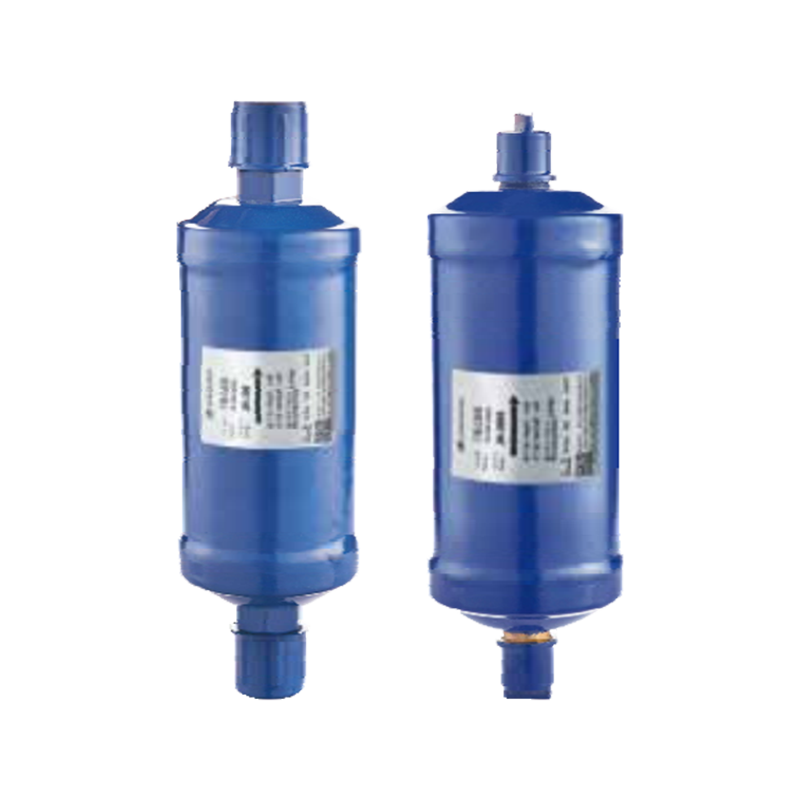
The refrigerant suction line accumulator is a vital component in many HVAC and refrigeration systems designed to protect the compressor from potential damage caused by liquid refrigerant returning through the suction line. Its core role is to act as a buffer or reservoir: when refrigerant (vapor + any residual liquid) leaves the evaporator, it enters the accumulator before reaching the compressor. Inside the accumulator, any liquid refrigerant — which can be dangerous if drawn directly into the compressor — settles to the bottom, while vapor rises and continues onward. This ensures that only vapor reaches the compressor, preventing what is commonly called “liquid slugging,” which can severely damage compressor components. :
- Separates liquid refrigerant from vapor before compressor intake. :
- Serves as a temporary storage for excess liquid refrigerant and oil that accumulates during cycles. :
- Meters the return of liquid and oil back to the compressor at a controlled rate, avoiding a sudden flood of liquid. :
Why It’s Critical in Refrigeration / HVAC Systems
In many HVAC systems — particularly in heat pumps, commercial refrigeration, or long‑line systems — conditions may lead to incomplete vaporization of refrigerant before it returns to the suction line (for example, during defrost cycles, low ambient temperatures, or rapid load changes). Without a suction line accumulator, such liquid refrigerant can directly enter the compressor, leading to liquid slugging, loss of oil lubrication, bearing washout, or sudden compressor failure. A properly sized and installed suction line accumulator greatly enhances system reliability, extends compressor lifespan, and maintains system efficiency. :
- Protects compressors from liquid slugging and oil dilution. :
- Allows safe operation in variable load, defrost cycles, or long‑line refrigerant piping systems. :
- Helps maintain stable oil circulation and refrigerant flow under fluctuating system conditions. :
How to Size a Suction Line Accumulator for Your HVAC or Refrigeration System
Key Factors That Determine Accumulator Size
Sizing a suction line accumulator isn’t arbitrary — the correct volume and internal design must account for the maximum amount of liquid refrigerant that can flood back under worst‑case conditions, as well as ensuring proper oil return. Important factors include the total refrigerant charge of the system, the length and diameter of suction lines, the type of compressor, expected worst-case refrigerant return (e.g. after defrost, rapid load changes), and whether the system uses features such as hot gas bypass or multiple capacity stages. :
- Total refrigerant charge in the system.
- Expected maximum liquid floodback (e.g. during defrost or low ambient conditions).
- Length and layout of suction piping (long lines may warrant larger accumulator capacity).
- Compressor type and its sensitivity to liquid slugging or oil return issues.
- Operational modes (e.g. heat pump switching, hot‑gas bypass) that may lead to refrigerant surges.
Sizing Guidelines and Best Practices
As a rule of thumb, many design guidelines recommend selecting a suction line accumulator able to hold a significant portion — often a substantial fraction — of the total system refrigerant charge under worst-case conditions. For systems using thermostatic expansion valves (TXV), this might be around 50% of circuit charge; for systems with fixed orifice or large line sets, the needed capacity could approach 100% of circuit charge. : Additionally, the accumulator should include an internal U‑tube (and orifice / screen) to ensure proper vapor‑liquid separation and controlled return of liquid and oil when the compressor runs. :
- Choose accumulator volume based on worst-case liquid return (e.g. 50–100% of refrigerant charge depending on system design).
- Ensure internal design includes a U‑tube with orifice & screen for proper metering and debris protection.
- Confirm compatibility with the refrigerant type and associated oil (material and pressure ratings).
- Account for suction line layout — longer or more complex suction piping may require larger or specially rated accumulators.
- Whenever possible, consult engineering guidelines or industry-standard sizing tables for accuracy.
Suction Line Accumulator vs Liquid Line Receiver – Key Differences
Functional Differences
Though both an accumulator and a receiver are used in refrigeration systems, they serve different purposes and are installed at different locations. A suction line accumulator sits in the suction (vapor) line between the evaporator and the compressor; it captures excess liquid or oil returning through suction and ensures only vapor enters the compressor. By contrast, a liquid line receiver (or simply “receiver”) is installed on the liquid (high-pressure) line after the condenser and before the expansion device. Its role is to store excess liquid refrigerant, accommodate charge fluctuation, and ensure a steady, subcooled liquid supply to the expansion valve — not to protect the compressor from liquid return. In short: accumulator = suction‑side protection; receiver = liquid‑line storage and supply regulation.
- Accumulator: placed on suction (low‑pressure) side; prevents liquid slugging.
- Receiver: placed on liquid (high‑pressure) side; stores refrigerant, ensures steady supply.
- Accumulator handles vapor + potential liquid returning from evaporator; receiver deals with liquid after condensation.
When to Use Which Component
The decision to use a suction line accumulator, a liquid line receiver, or both depends on system design, refrigerant piping layout, and operational conditions. For systems with long suction lines, variable load conditions, heat pumps, or potential for refrigerant floodback (e.g. during defrost), an accumulator is often necessary. A receiver becomes important when the system has variable load and needs a buffer on the liquid side to avoid starving the expansion device or to accommodate charge variations (e.g. in systems with varying refrigerant charge due to different operating modes). In many complex refrigeration or HVAC systems, both accumulator and receiver are used — each fulfilling distinct but complementary roles.
- Use accumulator when suction‑side liquid floodback or compressor protection is a concern.
- Use receiver when charge fluctuation or liquid supply consistency to expansion device is needed.
- Large or complex systems (long piping, multiple modes) may benefit from both components for optimal reliability.
Best Practices for Installing a Suction Line Accumulator
Correct Placement in the System
The ideal location for the suction line accumulator is in the suction line between the evaporator outlet and the compressor suction inlet. It should be positioned as close as practical to the compressor to ensure that any liquid or oil returning from the evaporator is captured before entering the compressor. Proper installation ensures maximum protection against liquid return, especially in scenarios where refrigerant may flood back (e.g. after defrost, low ambient, or long idle periods). :
- Install on suction line, between evaporator and compressor.
- Preferably close to compressor suction port for best protection.
- Ensure vertical orientation (if required by design) and proper support to prevent vibration or stress.
Mounting, Orientation, and Piping Considerations
Installation is not just about placing the accumulator — proper mounting, orientation, and piping routing are critical. The accumulator should be supported securely to avoid vibration stress, and piping must be arranged to prevent oil pooling or refrigerant trapping. The internal U‑tube (or J‑tube) must be correctly oriented so the vapor outlet is near the top and the liquid/oil return orifice near the bottom. Additionally, solder flux and debris must be prevented from entering the accumulator during installation — a screen or strainer on the internal orifice is often used for this purpose. Failure to address these considerations can lead to restricted oil return, plugging, or even component failure. :
- Ensure vertical orientation and secure mounting to minimize vibration.
- Use proper supports and avoid stress on refrigerant lines.
- Confirm internal U‑tube (J‑tube) orientation: vapor inlet at top, liquid/oil return orifice at bottom.
- Use screen/strainer to prevent debris or solder particles from entering the metering orifice.
- Insulate suction line if needed to prevent condensation, but be mindful — over‑insulation may affect heat exchange needed for vaporization.
Common Problems and How to Diagnose Issues with a Suction Line Accumulator
Typical Failures (e.g. slugging, oil return issues, clogging)
Although a suction line accumulator is designed to protect the system, it can itself become a point of failure — especially if incorrectly sized, poorly installed, or not maintained. Common problems include internal corrosion leading to leaks (especially in outdoor installations), clogging of the oil return orifice (due to debris, solder flux, or scale), improper orientation causing oil pooling and poor return, and over‑ or under‑sized accumulators resulting in inadequate protection or performance degradation. These issues can lead to compressor slugging, oil starvation or dilution, inefficient operation, or even compressor failure over time. :
- Clogged oil/refrigerant return orifice — can trap oil or cause poor return.
- Corrosion or rust leading to leaks — especially in outdoor or unprotected environments.
- Improper orientation or poor mounting — leading to vibration, oil pooling, or inadequate separation.
- Oversized accumulator — may increase system hysteresis or cause inefficiencies.
- Undersized accumulator — insufficient to handle worst‑case liquid floodback, risking compressor damage.
Maintenance Tips to Avoid Failures
Preventive maintenance and regular inspection can significantly reduce the risk of accumulator‑related failures. This includes periodic visual inspection for signs of rust, corrosion, dents or leaks; checking for unusual frost or frost‑patterns that might indicate internal flooding or improper vaporization; verifying superheat and suction pressures to confirm correct refrigerant flow; and ensuring the accumulator’s mounting and insulation remain intact and appropriate. It is also good practice to inspect the oil return orifice and internal screen, especially after any field piping or brazing work, to make sure no solder or debris has entered. :
- Inspect accumulator shell and connections for rust, corrosion, or leaks.
- Monitor suction pressures and superheat to detect signs of liquid return or improper vaporization.
- After any piping work, verify that no debris or solder flux is inside the accumulator.
- Ensure oil return orifice and internal screen remain clean and unclogged.
- Check mounting supports and insulation annually, especially for outdoor units.
FAQ
What happens if I don’t use a suction line accumulator in a long‑line HVAC system?
If you omit a suction line accumulator in a system with long suction piping, variable loads, or potential refrigerant floodback, you run a high risk of liquid refrigerant entering the compressor — especially during defrost cycles, system shutdown/startup, or when refrigerant migration occurs due to temperature changes. This liquid slugging can cause compressor damage, loss of oil lubrication, bearing failure, or complete compressor breakdown. Even if the system uses a subcooling liquid line receiver, that does not protect against suction‑side liquid return. Using a properly sized suction line accumulator is often the only effective safeguard in such conditions.
Can a suction line accumulator become clogged or blocked over time? What are the signs?
Yes — over time, the oil return orifice (or internal metering port) of an accumulator can become clogged by solder particles, scale, debris, or sludge (especially after field piping or poor brazing practices). When this happens, oil return may be restricted, leading to oil starvation of the compressor, or refrigerant/oil may pool inside the accumulator. Signs of such issues include unusual compressor noise, reduced lubrication, fluctuating suction pressures, frost or ice formation on the accumulator shell, or poor cooling performance. Regular inspection, cleaning, and ensuring a proper screen or strainer is in place are essential to prevent these problems.
How do I choose the right suction line accumulator for a heat pump system with frequent defrost cycles?
For heat pump systems — particularly those with frequent defrost cycles, load fluctuations, or long suction lines — selecting an accumulator involves considering worst-case liquid floodback plus ensuring sufficient oil return capacity. Prefer an accumulator rated to handle a large fraction (often 50–100%) of the total refrigerant charge, with a robust internal U‑tube design, screen‑protected orifice, and compatibility with the refrigerant and oil used. Additionally, ensure proper placement near the compressor suction, secure mounting, and correct orientation. For systems with defrost cycles or hot-gas reheat, the accumulator should be capable of acting as a temporary refrigerant storage chamber and ensuring controlled return rather than sudden floodback. :