


 English
 русский
The realm of industrial refrigeration equipment is the backbone of countless sectors, from food processing and cold storage to chemical manufacturing and pharmaceuticals. This intricate network of systems goes far beyond simple cooling; it ensures product safety, preserves quality, and enables large-scale industrial processes. For engineers, facility managers, and procurement specialists, navigating the selection, maintenance, and optimization of this equipment is critical. This guide delves deep into the core components, selection criteria, and efficiency strategies that define modern industrial refrigeration solutions.
Content
- 1 Core Components of an Industrial Refrigeration System
- 2 Selecting the Right Industrial Refrigeration System
- 3 Maximizing Efficiency and Reducing Operational Costs
- 4 Installation, Maintenance, and Safety Protocols
- 5 Future Trends and Sustainable Solutions
- 6
- 7 FAQs: Your Industrial Refrigeration Questions Answered
- 7.1 1. What is the most energy-efficient type of industrial compressor?
- 7.2 2. How often should industrial refrigeration equipment be serviced?
- 7.3 3. What are the key differences between direct and indirect refrigeration systems?
- 7.4 4. How can I reduce the water consumption of my water-cooled condenser?
- 7.5 5. What factors most significantly impact the total cost of installing an industrial freezer?
Core Components of an Industrial Refrigeration System
Understanding the fundamental building blocks is essential to grasping how these complex systems operate. Each component plays a specialized role in the refrigeration cycle.
The Compressor: The Heart of the System
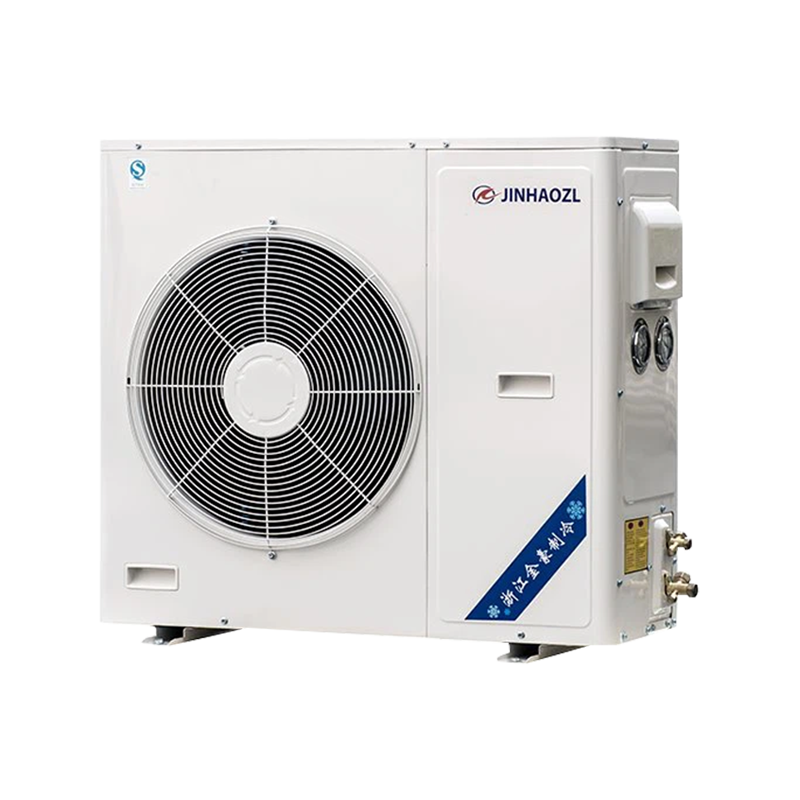
The compressor is the primary driver, circulating refrigerant and increasing its pressure and temperature. Different types suit varying capacity and efficiency needs.
- Reciprocating Compressors: Common and versatile, ideal for a wide range of applications and capacities.
- Screw Compressors: Favored for large-scale, continuous operations due to their durability and efficiency at high loads.
- Scroll Compressors: Known for quiet operation, reliability, and efficiency in medium-capacity applications.
The Condenser: Releasing Heat
This component dissipates the heat absorbed from the process and added by the compressor. Selection depends on water availability and ambient conditions.
- Air-Cooled Condensers: Use fans to reject heat to the atmosphere, simpler to install where water is scarce.
- Water-Cooled Condensers: Typically more efficient, using water as the cooling medium, often requiring a cooling tower.
- Evaporative Condensers: Combine air and water, offering high efficiency in dry climates by evaporating water to reject heat.
The Evaporator: The Point of Cooling
As key Custom Refrigeration Evaporator Equipment Manufacturers, we understand the evaporator is where the actual cooling occurs. Refrigerant evaporates inside it, absorbing heat from the surrounding air, water, or process fluid. Designs vary significantly.
- Finned-Tube (Air Coolers): Most common for cold rooms and freezing tunnels, using fans to move air over finned coils.
- Shell and Tube: Used for cooling liquids like water or glycol in process applications.
- Plate Evaporators: Compact and efficient, often used for direct cooling of products or in spray chilling systems.
Expansion Devices and Controls
These components regulate refrigerant flow into the evaporator, maintaining superheat and ensuring system efficiency. Modern electronic expansion valves (EEVs) offer precise control, surpassing traditional thermal expansion valves (TXVs) in dynamic conditions. The brain of the system is the microprocessor-based controller, managing setpoints, defrost cycles, and safety alarms.
Selecting the Right Industrial Refrigeration System
Choosing a system is not a one-size-fits-all endeavor. It requires a detailed analysis of the application's specific demands.
Key Factors Influencing Selection
A thorough assessment of these parameters is the first step toward a successful installation.
- Required Temperature Range: Blast freezing requires vastly different equipment than mild chilling.
- Cooling Load Calculation: The cornerstone of design, accounting for product load, insulation, infiltration, and equipment heat.
- Refrigerant Choice: Impacted by environmental regulations (like F-Gas and EPA rules), safety (toxicity, flammability), and efficiency.
- Space and Installation Constraints: Physical footprint, ceiling height, and accessibility for maintenance.
Comparing System Types for Common Applications
The optimal system configuration depends heavily on the primary application. For instance, a facility researching industrial refrigeration for cold storage warehouse needs will prioritize reliability and even temperature distribution, while a food plant might focus on rapid pull-down times.
| Application | Typical Temperature Range | Recommended System Focus | Key Component Considerations |
|---|---|---|---|
| Cold Storage Warehousing | -25°C to +4°C | Stability, Energy Efficiency, Even Air Flow | Large evaporator coils, efficient screw compressors, sophisticated defrost management. |
| Food Processing & Blast Freezing | -40°C to -10°C | Rapid Heat Extraction, Hygiene, Durability | High-capacity blast freezers, corrosion-resistant evaporators, robust compressors. |
| Beverage Cooling & Process Chilling | +1°C to +10°C | Precise Temperature Control, Cleanability | Plate heat exchangers, precise EEVs, secondary coolant systems (glycol). |
| Chemical & Pharmaceutical | -70°C to +20°C | Extreme Precision, Redundancy, Documentation | Cascade systems for ultra-low temps, pharmaceutical-grade evaporators, full system traceability. |
Maximizing Efficiency and Reducing Operational Costs
Energy consumption is the largest cost component in an industrial refrigeration system's lifecycle. Implementing efficiency measures is both economically and environmentally imperative.
System Design and Technology for Peak Performance
Efficiency starts with intelligent design. For example, one of the most effective energy saving tips for industrial chillers is to implement variable speed drives (VSDs) on compressor and fan motors.
- Variable Speed Drives (VSDs): Allow compressors and fans to match output to the exact load, eliminating wasteful on/off cycling and part-load inefficiencies.
- Heat Recovery Systems: Capture waste heat from the condenser for space heating, water pre-heating, or process use, transforming a cost into a benefit.
- Advanced Control Strategies: Use data from multiple sensors to optimize defrost cycles, condenser pressure (head pressure control), and setpoints dynamically.
- Regular Maintenance: Dirty condensers, low refrigerant charge, and faulty components can increase energy use by 20-30% or more.
The Role of Evaporator Design in Efficiency
As specialized Custom Refrigeration Evaporator Equipment Manufacturers, we emphasize that the evaporator is a critical efficiency frontier. A well-designed, clean evaporator ensures maximum heat transfer with minimal energy input.
- Enhanced Surface Area (Finned Designs): More fins per inch can increase capacity but require cleaner air and more frequent defrosting.
- Optimized Airflow: Properly sized fans and plenum design reduce fan horsepower while maintaining required air velocity over the coil.
- Defrost Optimization: Initiating defrost based on actual need (pressure differential, time, or temperature) rather than a fixed timer saves energy and reduces thermal stress.
Installation, Maintenance, and Safety Protocols
Proper implementation and upkeep are non-negotiable for system longevity, efficiency, and safe operation.
Critical Steps for Professional Installation
A flawless installation prevents countless future operational headaches. Key steps include proper site preparation, precise piping and electrical work, a thorough evacuation and dehydration process, accurate refrigerant charging, and comprehensive commissioning with load testing. This is where partnering with experienced Industrial Refrigeration Equipment Suppliers proves invaluable, as they ensure the system is built to specification from the start.
Essential Preventative Maintenance Schedule
Proactive maintenance is far less costly than emergency repairs and unplanned downtime. For a manager concerned with maintenance schedule for ammonia refrigeration systems or any other refrigerant, a disciplined approach is key.
- Daily/Weekly: Check system pressures, temperatures, and oil levels; listen for unusual noises; inspect for leaks.
- Monthly: Clean condenser coils (air-cooled) or check water treatment (water-cooled); inspect and clean evaporator coils and fans; verify control system alarms.
- Annually: Perform a comprehensive inspection: motor bearings, electrical connections, refrigerant charge verification, safety valve testing, and control calibration.
Prioritizing Safety in Operation
Safety must be the top priority, especially with natural refrigerants like ammonia or CO₂. This involves understanding the specific cost of industrial freezer installation with safety in mind, not just the initial price tag. A comprehensive safety program includes proper training for all personnel on emergency procedures, regular drills, strict adherence to lockout/tagout (LOTO) during maintenance, continuous leak detection monitoring, and maintaining clear access to emergency shutdown switches and personal protective equipment (PPE).
Future Trends and Sustainable Solutions
The industry is evolving rapidly, driven by environmental regulations and the relentless pursuit of efficiency.
The Shift to Natural and Low-GWP Refrigerants
The phasedown of HFCs is accelerating the adoption of ammonia (R717), CO₂ (R744), and hydrocarbons like propane (R290). These refrigerants have minimal direct impact on global warming but may require different system designs (e.g., higher pressures for CO₂) and safety considerations.
Smart Refrigeration and Industry 4.0
Integration with the Industrial Internet of Things (IIoT) is transforming system management. Remote monitoring platforms allow for predictive maintenance, real-time performance dashboards, and automated energy optimization, moving operations from reactive to proactive. These advancements are becoming standard offerings from forward-thinking Industrial Refrigeration Equipment Suppliers.
System Integration and Total Cost of Ownership
The future lies in viewing the refrigeration system as an integrated part of the entire facility's energy ecosystem. The focus is shifting from just the upfront cost of industrial freezer installation to the total cost of ownership (TCO), which includes energy, maintenance, environmental compliance, and end-of-life costs over a 15-20 year lifespan.
FAQs: Your Industrial Refrigeration Questions Answered
1. What is the most energy-efficient type of industrial compressor?
There's no single "best" compressor for all situations. Screw compressors with variable speed drives (VSDs) often provide excellent full and part-load efficiency for large, continuously operating systems. For applications with fluctuating loads, a combination of compressors in a rack with VSD control can be highly efficient.
2. How often should industrial refrigeration equipment be serviced?
Frequency depends on the equipment, refrigerant, and operating hours. A robust preventative maintenance (PM) program should include daily visual checks, monthly cleaning and inspections, and a comprehensive annual service by qualified technicians. Critical systems, like those using ammonia, may require more frequent safety inspections.
3. What are the key differences between direct and indirect refrigeration systems?
In a direct expansion (DX) system, refrigerant evaporates directly in the coil cooling the space or product. In an indirect system, refrigerant cools a secondary fluid (like glycol or brine), which is then pumped to cool the desired area. Indirect systems often have higher upfront costs but can be safer (containing refrigerant to a machinery room) and more efficient for widespread cooling loads.
4. How can I reduce the water consumption of my water-cooled condenser?
Implementing a closed-loop system with a cooling tower and effective water treatment is standard. To significantly reduce consumption, consider upgrading to an evaporative condenser or an air-cooled condenser, though this may involve a trade-off with energy efficiency depending on your climate.
5. What factors most significantly impact the total cost of installing an industrial freezer?
The major cost drivers include the required cooling capacity (size), the target temperature (lower temps cost more), the choice of refrigerant and corresponding safety systems, the complexity of the electrical and plumbing work, insulation specifications for the room, and the level of automation and controls desired. Always evaluate bids based on lifecycle cost, not just initial capital expenditure.