


 English
 русский
In the complex world of industrial refrigeration systems, ensuring efficient and reliable operation is paramount. One critical yet often overlooked component is the refrigeration oil separator. This device plays a vital role in protecting compressors and enhancing overall system performance by managing oil circulation. For businesses reliant on robust cooling, such as cold storage, food processing, or chemical plants, understanding this component is key to operational excellence. As a comprehensive manufacturer in the domestic refrigeration industry, Zhejiang Jinhao Refrigeration Equipment Co., Ltd. integrates R&D and manufacturing to provide high-quality solutions, including specialized components for optimal system health. This guide delves deep into the intricacies of oil separation, offering expert insights for engineers, technicians, and procurement specialists.
Content
- 1 Understanding the Role and Importance of an Oil Separator
- 2 In-Depth Analysis: Types and Selection Criteria
- 3 Operation, Troubleshooting, and Maintenance
- 4 Measuring Impact and Efficiency
- 5 FAQs: Your Refrigeration Oil Separator Questions Answered
- 5.1 1. How does an oil separator actually work?
- 5.2 2. Is an oil separator necessary for every refrigeration system?
- 5.3 3. Can a clogged oil separator be cleaned, or must it be replaced?
- 5.4 4. How often should the oil be changed in a system with a separator?
- 5.5 5. What is the most important factor when selecting an oil separator?
- 6
- 7 References
Understanding the Role and Importance of an Oil Separator
A refrigeration oil separator is a vessel installed in the discharge line of a compressor. Its primary function is to remove lubricating oil from the hot, high-pressure refrigerant vapor before it enters the condenser. This separation is crucial because excessive oil circulating through the system can coat heat exchanger surfaces, severely reducing heat transfer efficiency, causing inadequate cooling, and increasing energy consumption. Properly separated oil is typically returned to the compressor crankcase, ensuring it remains adequately lubricated for long life and minimal wear.
Core Benefits of Effective Oil Separation
Enhanced System Efficiency
- Maintains optimal heat transfer in condensers and evaporators.
- Reduces system pressure drop by preventing oil fouling.
- Lowers overall energy consumption for cost savings.
Extended Equipment Lifespan
- Ensures consistent oil return to the compressor, preventing starvation.
- Protects sensitive components like expansion valves and sensors from oil blockage.
- Minimizes compressor wear and tear, reducing downtime.
In-Depth Analysis: Types and Selection Criteria
Choosing the right oil separator is not a one-size-fits-all process. Different designs cater to various applications, system sizes, and refrigerants.
Coalescing vs. Mesh/Filter Type: A Detailed Comparison
The two predominant designs are coalescing separators and mesh or filter-type separators. Their operating principles and performance differ significantly.
Coalescing separators force the oil-gas mixture through a series of baffles or screens that cause tiny oil droplets to merge (coalesce) into larger drops that fall to the bottom by gravity. In contrast, mesh-type separators use a dense wire mesh or pad that physically filters and captures oil droplets as the vapor passes through.
| Feature | Coalescing Oil Separator | Mesh/Filter Type Oil Separator |
|---|---|---|
| Separation Efficiency | Extremely high (can remove droplets down to 1 micron) | Moderate to High (effective on larger droplets) |
| Best Application | Low-temperature systems, critical applications, systems with long pipe runs | Standard air conditioning, medium-temperature refrigeration |
| Pressure Drop | Typically higher due to dense media | Generally lower |
| Maintenance Needs | Media may need periodic replacement | Mesh may require cleaning or replacement |
How to Size an Oil Separator for a Refrigeration System
Correct sizing is critical for performance. An undersized separator will allow excessive oil carry-over, while an oversized one is unnecessarily costly. The primary factors for how to size an oil separator for a refrigeration system include:
- Compressor Discharge Flow Rate: This is the most critical factor, determined by compressor type and capacity.
- Operating Pressure and Temperature: Affects gas density and oil viscosity.
- Refrigerant Type: Different refrigerants have varying miscibility with oil.
- System Configuration: Consider pipe diameters, vertical risers, and the overall circuit layout.
Manufacturers like Zhejiang Jinhao Refrigeration provide sizing charts and technical support to assist in this precise calculation, ensuring the selected unit matches the specific thermal and mechanical demands of the system [1].
Operation, Troubleshooting, and Maintenance
Proper installation and ongoing care are essential to realize the full benefits of an oil separator.
Signs of a Failing Refrigeration Oil Separator
Timely identification of problems prevents cascade failures. Key signs of a failing refrigeration oil separator include:
- Excessive Oil Consumption: Needing to add oil to the compressor frequently.
- Poor System Cooling: Reduced capacity due to oil coating evaporator tubes.
- Visible Oil in Sight Glasses downstream of the separator or at the condenser.
- Unusual Noises from the Compressor indicating potential lubrication issues.
- High Discharge Pressure caused by compromised heat transfer in the condenser.
Oil Separator Maintenance Schedule Industrial Refrigeration
A proactive oil separator maintenance schedule industrial refrigeration is non-negotiable for reliability. This schedule should be part of a broader preventive maintenance program.
- Daily/Weekly: Check pressure gauges and monitor for sudden pressure drops across the unit.
- Monthly: Inspect for leaks, vibrations, and physical damage. Verify that the automatic oil return valve (if equipped) is cycling properly.
- Annually or per OEM Spec: This is crucial. It may involve:
- Internal inspection for sludge or damage.
- Cleaning or replacing coalescing elements or mesh pads.
- Checking and calibrating all float and solenoid valves for the oil return line.
Adhering to a disciplined schedule maximizes the separator's lifespan and protects the larger capital investment in the refrigeration system.
Measuring Impact and Efficiency
Investing in a high-quality oil separator offers tangible returns. A proper refrigeration oil separator energy savings calculation considers several factors. The primary savings come from maintaining design heat exchange efficiency. When condensers and evaporators are free of oil film, they operate at their rated capacity, allowing compressors to run less frequently or at lower loads. This directly reduces kilowatt-hour consumption. Calculations often involve measuring the improvement in system Coefficient of Performance (COP) after ensuring optimal oil management. For instance, a 5% improvement in compressor efficiency due to clean heat exchangers can lead to substantial annual cost savings in large industrial plants [2].
FAQs: Your Refrigeration Oil Separator Questions Answered
1. How does an oil separator actually work?
It uses a combination of mechanisms: velocity reduction, impingement (hitting baffles), coalescence (merging droplets), and filtration. The separated oil collects at the bottom and is returned to the compressor, while the "clean" refrigerant vapor proceeds to the condenser.
2. Is an oil separator necessary for every refrigeration system?
No. They are most critical in systems with large pipe runs, especially vertical suction risers, low-temperature applications, and systems using less oil-miscible refrigerants. Small, direct-expansion systems may not require one.
3. Can a clogged oil separator be cleaned, or must it be replaced?
Many separators are designed with serviceable internal elements (coalescing cartridges, mesh pads) that can be cleaned or replaced. The pressure vessel itself typically lasts the life of the plant if maintained properly.
4. How often should the oil be changed in a system with a separator?
The separator itself doesn't change the oil change interval for the compressor. You should follow the compressor manufacturer's guidelines. However, a well-functioning separator keeps the oil cleaner longer, which can potentially extend oil life.
5. What is the most important factor when selecting an oil separator?
The correct sizing for your system's maximum operating conditions (flow rate, pressure, refrigerant) is paramount. An incorrectly sized separator, whether too small or too large, will not perform optimally.
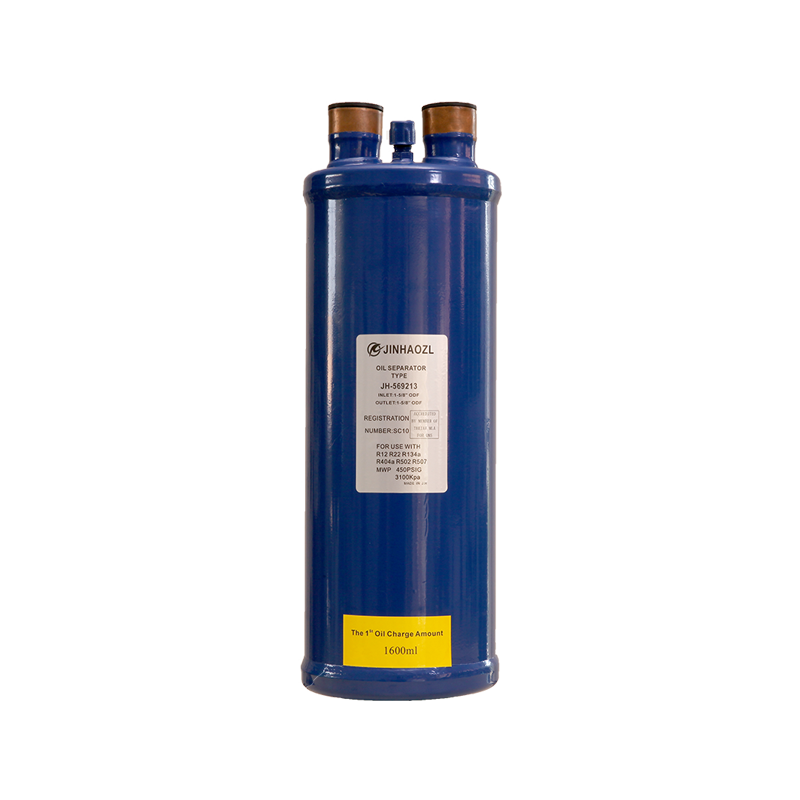
The refrigeration oil separator is a fundamental component for ensuring the efficiency, reliability, and longevity of industrial refrigeration systems. From understanding the signs of a failing refrigeration oil separator to implementing a rigorous oil separator maintenance schedule industrial refrigeration, proactive knowledge is power. Selecting the correct type, whether debating coalescing vs mesh type oil separator efficiency or learning how to size an oil separator for a refrigeration system, requires careful consideration of specific application needs. Ultimately, this investment pays dividends through measurable refrigeration oil separator energy savings calculation. As a manufacturer dedicated to the integrated development of refrigeration solutions, Zhejiang Jinhao Refrigeration Equipment Co., Ltd. emphasizes the importance of such precision components in building robust and efficient industrial refrigeration systems for sale, supporting global industries with reliable thermal management.
References
[1] ASHRAE Handbook - Refrigeration. American Society of Heating, Refrigerating and Air-Conditioning Engineers, 2022. (Information on system design and component sizing principles).
[2] Stoecker, W. F., & Jones, J. W. Refrigeration and Air Conditioning. McGraw-Hill, 1982. (Theoretical framework for system efficiency and COP calculations).