


 English
 русский
In the intricate world of HVAC (Heating, Ventilation, and Air Conditioning) systems, maintaining peak efficiency and reliability is paramount. Among the many crucial components working behind the scenes, the Liquid Refrigerant Receiver plays an indispensable role. Often overlooked, this vessel is the system's strategic reservoir, ensuring stable operation under varying loads and conditions. This article delves deep into the multifaceted benefits of incorporating a receiver, explaining not just the "what" but the "why" behind its critical function. We will explore how it enhances system stability, protects vital components, simplifies maintenance, and ultimately contributes to significant long-term savings and environmental compliance.
Content
- 1 Ensuring System Stability and Efficiency During Fluctuating Demand
- 2 Protecting Critical Components and Extending System Lifespan
- 3 Facilitating Easier Maintenance, Service, and System Adjustments
- 4 FAQ (Frequently Asked Questions)
- 4.1 What is the main difference between a liquid receiver and a suction accumulator?
- 4.2 How do I determine the correct size for a liquid receiver in my system?
- 4.3 Is a receiver always necessary in a modern HVAC system?
- 4.4
- 4.5 What are the signs that a liquid receiver is failing or has a problem?
- 4.6 Can a liquid receiver help with retrofitting older systems to new refrigerants?
Ensuring System Stability and Efficiency During Fluctuating Demand
A primary and critical benefit of a liquid refrigerant receiver is its ability to act as a buffer for the refrigeration cycle. HVAC systems rarely operate at a constant, steady-state load. Changes in ambient temperature, occupancy, or building heat gain cause the cooling demand to fluctuate constantly. Without a receiver, these fluctuations can lead to a shortage or excess of refrigerant in the critical heat exchange components (evaporator and condenser). The receiver seamlessly stores excess liquid refrigerant when demand is low and supplies it when demand spikes. This stabilizing function prevents issues like refrigerant starvation in the evaporator, which drastically reduces cooling capacity and efficiency, or liquid floodback to the compressor, which can cause catastrophic damage. By ensuring the right amount of refrigerant is in the right place at the right time, the receiver maintains optimal system pressure and subcooling, which directly translates to consistent, efficient performance and energy savings year-round.
- Acts as a Refrigerant Buffer: Stores surplus liquid refrigerant during low-load conditions (e.g., cool nights, unoccupied periods) and releases it during peak demand, preventing performance drops.
- Maintains Proper Subcooling: Ensures liquid refrigerant entering the expansion device is adequately subcooled, maximizing the efficiency of the evaporator's heat absorption capability.
- Prevents Compressor Short-Cycling: By stabilizing system pressures, it helps prevent the compressor from turning on and off too frequently, a major source of energy waste and wear.
- Facilitates Charge Management in Heat Pumps: In reversible systems, the receiver holds excess refrigerant that is not needed in the active mode, ensuring a proper charge whether in heating or cooling.
Comparing System Performance With and Without a Receiver
The impact of a receiver on system stability can be clearly illustrated by comparing key operational parameters in a scenario with varying thermal loads. Systems without a receiver are more susceptible to transient conditions, leading to inefficiency and potential failure points. The following table contrasts the two configurations, highlighting how the receiver mitigates common operational challenges.
| Operational Parameter | System WITHOUT a Receiver | System WITH a Liquid Refrigerant Receiver |
| Response to Sudden Load Increase | Possible refrigerant shortage in evaporator; drop in cooling capacity and efficiency. | Smooth supply from receiver; maintains stable capacity and high efficiency. |
| Refrigerant Charge During Low Load | Excess refrigerant pools in the condenser, reducing effective surface area and condensing efficiency. | Excess refrigerant stored in receiver, keeping condenser efficiently active. |
| Risk of Liquid Slugging | Higher risk of liquid refrigerant returning to the compressor during load changes, causing damage. | Significantly reduced risk; receiver ensures only vapor or minimally superheated vapor reaches the compressor. |
| Seasonal Efficiency Consistency | May vary significantly between mild and extreme weather. | Maintains more consistent efficiency across a wider range of ambient conditions. |
Protecting Critical Components and Extending System Lifespan
Beyond stabilization, a liquid refrigerant receiver serves as a vital guardian for the most expensive and critical components in an HVAC system, namely the compressor. The compressor is the heart of the system, and its failure is the costliest repair. One of the most common causes of compressor failure is liquid slugging—when liquid refrigerant, which is incompressible, enters the compressor's compression chamber. This can bend valves, break rods, and destroy motor windings. A properly sized and piped receiver, in conjunction with other components like suction accumulators, ensures that only gaseous refrigerant returns to the compressor. Furthermore, by maintaining a consistent system charge and preventing refrigerant migration during off-cycles, the receiver reduces stress on all components. This proactive protection directly translates to fewer breakdowns, reduced maintenance costs, and a significantly extended operational lifespan for the entire system, which is a key consideration for any commercial or industrial installation.
- Prevents Compressor Liquid Floodback: The primary defense against liquid slugging, safeguarding the compressor from mechanical destruction.
- Reduces Refrigerant Migration: Holds refrigerant during shutdown, preventing it from migrating to the compressor crankcase and causing oil dilution upon startup.
- Protects Expansion Devices: By providing a steady supply of subcooled liquid, it prevents vapor bubbles from reaching thermostatic expansion valves (TXVs) or electronic expansion valves (EXVs), ensuring their precise operation.
- Minimizes Pressure Swings: Large, rapid pressure swings cause fatigue on piping, valves, and fittings. The receiver dampens these swings.
Essential Maintenance and System Protection Features
Modern liquid receivers are not just simple tanks; they incorporate features that enhance system protection and serviceability. Understanding these features helps in specifying the right receiver and performing proper maintenance. A receiver with a built-in shut-off valve, for example, is a game-changer for service technicians, allowing them to isolate and contain the system charge safely. Similarly, sight glasses and moisture indicators on the receiver provide a central, easy-to-access location for diagnosing charge levels and system contamination. These features collectively transform the receiver from a passive storage tank into an active diagnostic and service hub, which directly answers the search intent behind terms like "how to check refrigerant charge in receiver".
- Shut-Off Valves: Enable safe pump-down of the system for component service without recovering the entire refrigerant charge.
- Sight Glass/Moisture Indicator: Provides a visual check for proper liquid level and alerts to the presence of harmful moisture in the system.
- Pressure Relief Device: A critical safety feature that protects the vessel from overpressure conditions.
- Drain/Service Ports: Allow for easy removal of excess oil or non-condensable gases that may accumulate over time.
Facilitating Easier Maintenance, Service, and System Adjustments
The presence of a liquid refrigerant receiver dramatically simplifies routine maintenance and major servicing procedures, a significant benefit for facility managers and service contractors. It centralizes the management of the system's refrigerant charge. During service, technicians can perform a "pump-down" procedure, where the compressor moves the entire refrigerant charge into the receiver, isolating it and allowing work on other components like the evaporator or condenser with minimal refrigerant loss or environmental release. This is not only efficient but also aligns with stringent environmental regulations regarding refrigerant handling. Furthermore, if a system develops a slow leak, the charge in the receiver acts as a reserve, often allowing the system to continue operating safely until the next scheduled service, preventing unexpected downtime. This aspect of serviceability is a core answer to queries about "receiver tank function in AC service".
- Enables System Pump-Down: The single most useful feature for servicing, allowing isolation and repair of components without a full system evacuation.
- Simplifies Charge Verification and Adjustment: The receiver's sight glass is the best place to check subcooling and charge levels, making troubleshooting more straightforward.
- Provides a Refrigerant Buffer for Minor Leaks: Helps maintain operational capacity longer in the event of a small leak, allowing for planned rather than emergency repair.
- Eases the Process of Adding or Removing Refrigerant: The receiver's service valves provide a safe, standard point for charging or recovering refrigerant.
Step-by-Step Guide for a Safe System Pump-Down Procedure
One of the most common and vital procedures enabled by a receiver is the system pump-down. This task is frequently searched for by technicians, making knowledge of "receiver pump down procedure" highly valuable. A proper pump-down safeguards the compressor and ensures an efficient service. The process involves isolating the receiver from the rest of the liquid line and using the compressor to move all refrigerant from the low-pressure side into the receiver and condenser. It is crucial to monitor pressures to avoid pulling a deep vacuum on the low side, which can draw in non-condensables or damage the compressor. Following a standardized procedure ensures safety and system integrity.
- Step 1: Preparation: Connect manifold gauges to the system service ports. Ensure the receiver outlet valve (king valve) is open and the system is operating normally.
- Step 2: Isolation: Front-seat (close) the receiver outlet valve. The compressor will now begin pumping refrigerant from the evaporator and suction line into the condenser and receiver.
- Step 3: Monitoring: Watch the low-side pressure gauge. Allow the compressor to run until the suction pressure drops to a slight positive pressure (typically 2-5 psig). Do not allow it to go into a vacuum.
- Step 4: Shutdown: Once the target low-side pressure is reached, shut off the compressor. Immediately back-seat (close) the compressor suction service valve to isolate it.
- Step 5: Verification: Check that the low-side pressure holds and does not rise, confirming the isolation. The refrigerant is now contained in the high-side (receiver and condenser).
FAQ (Frequently Asked Questions)
What is the main difference between a liquid receiver and a suction accumulator?
While both are storage vessels in a refrigeration system, they serve opposite and complementary functions. A Liquid Refrigerant Receiver is located on the high-pressure side of the system, after the condenser. Its primary role is to store liquid refrigerant. A Suction Accumulator is located on the low-pressure side, before the compressor. Its job is to protect the compressor by ensuring only vapor enters it, trapping any excess liquid refrigerant (from floodback or migration) and metering it back slowly. In essence, the receiver manages liquid supply, while the accumulator protects the compressor from liquid.
How do I determine the correct size for a liquid receiver in my system?
Sizing a receiver is a critical engineering task. The general rule is that it must hold the entire system's refrigerant charge with some additional capacity. Key factors include: the total refrigerant charge (in pounds or kilograms), the internal volume of the evaporator and condenser coils (which varies with operating mode in heat pumps), and a safety factor for liquid expansion due to temperature changes. A common practice is to select a receiver that can hold 1.25 to 1.5 times the total system charge. Consulting engineering guidelines or the OEM's specifications is essential, as an undersized receiver won't function properly, and an oversized one can lead to excessive refrigerant hold-up and other issues.
Is a receiver always necessary in a modern HVAC system?
Not always, but it is highly recommended for most commercial, industrial, and larger residential systems. Modern systems, especially small, hermetically-sealed residential units with precisely matched components (like mini-splits), often operate with a "critical charge." These systems are designed to hold the exact amount of refrigerant with no storage, making them lighter and cheaper. However, they are highly sensitive to charge accuracy and are difficult to service. Any system subject to varying loads, requires serviceability, or has components that are not perfectly matched in volume will benefit significantly from a liquid refrigerant receiver. It adds robustness, serviceability, and operational flexibility.
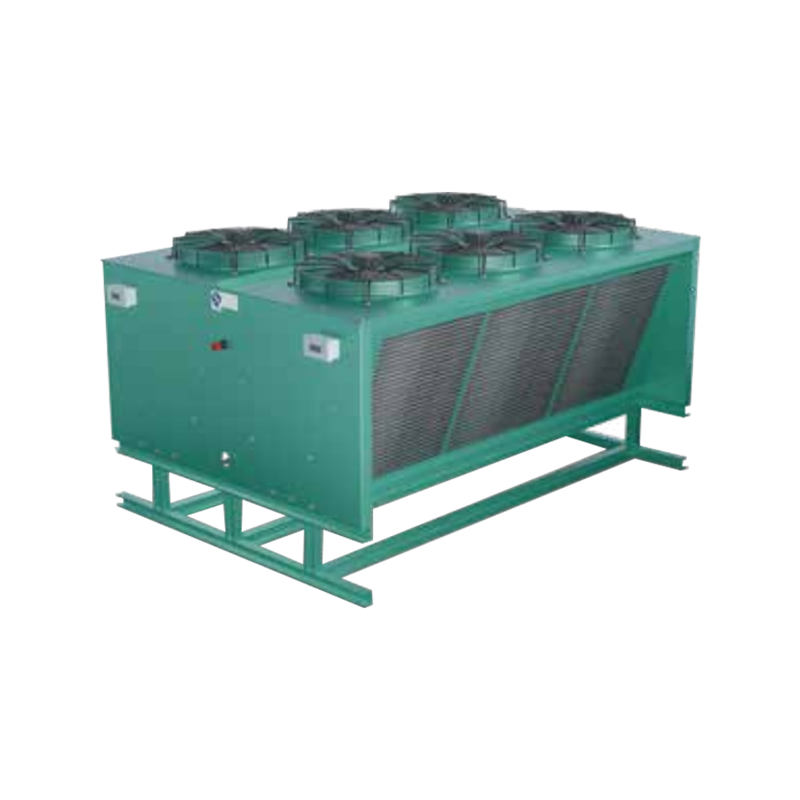
What are the signs that a liquid receiver is failing or has a problem?
A receiver itself is a simple vessel with few failure points, but problems can manifest. Key signs include: External corrosion or physical damage that compromises integrity. Malfunctioning shut-off valves that leak or cannot be fully operated. A constantly empty sight glass (during normal operation) may indicate a severely undercharged system or a blocked inlet. Conversely, a completely full sight glass (with no bubble) during all operating conditions, especially when the receiver outlet valve is cool, could indicate an overcharge or a restriction downstream. Internal issues are rare but can include sludge buildup from degraded oil or moisture contamination, which would be indicated by a moisture indicator changing color.
Can a liquid receiver help with retrofitting older systems to new refrigerants?
Absolutely. A liquid refrigerant receiver is a crucial component when retrofitting older systems to use newer, more environmentally friendly refrigerants like HFOs or HFC/HFO blends. Different refrigerants have different volumetric capacities and operating pressures. The receiver provides the necessary buffer to accommodate charge adjustments and helps manage the sometimes different liquid densities and subcooling characteristics. It also gives technicians a central point for removing the old charge and introducing the new one, making the entire "retrofit process for refrigeration systems" more controlled and manageable. Its presence adds the flexibility needed to tune the system for optimal performance with the alternative refrigerant.